Words
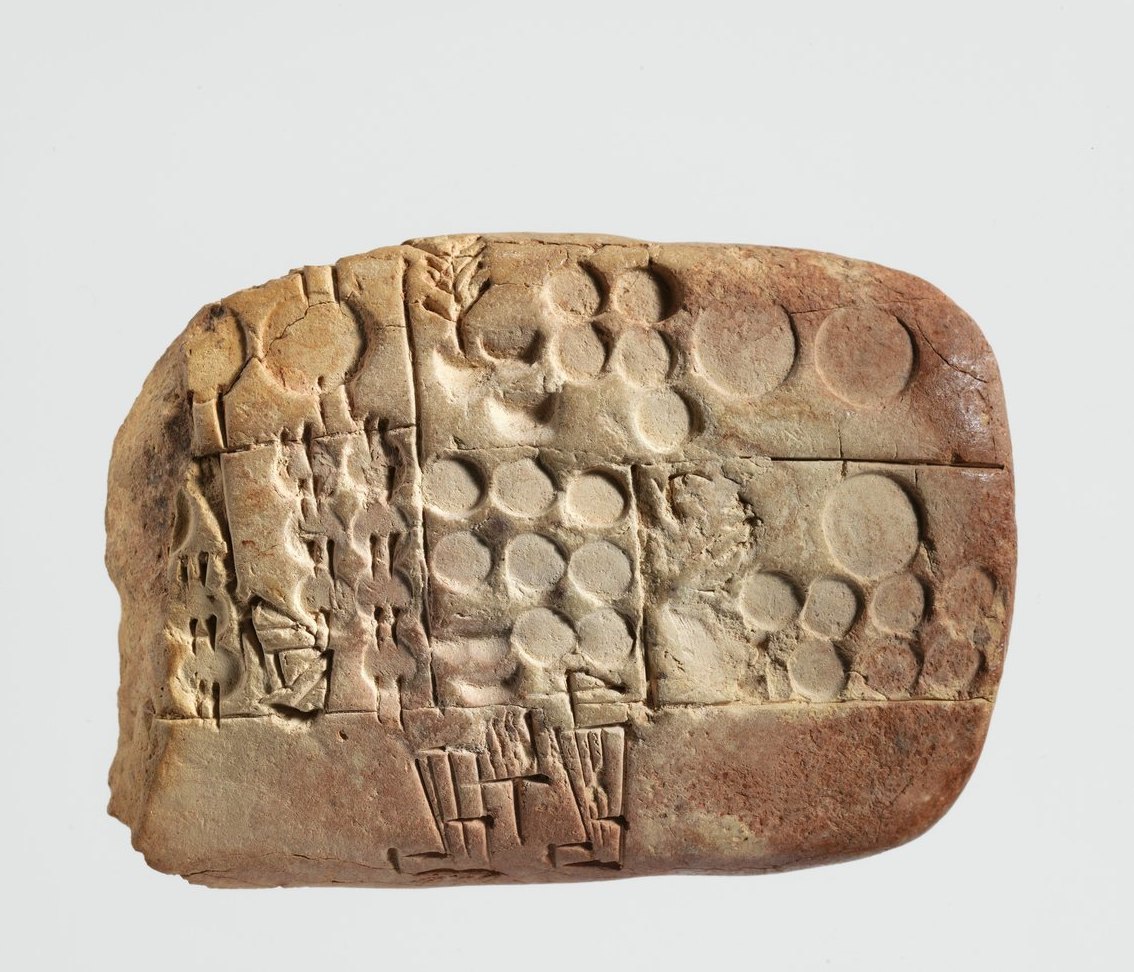
These are not drawings of things. They are marks pressed into wet clay with a stick. The clay dried. The person is gone. The marks stayed.
These dents were pressed into wet clay. Then the clay dried.
The little wedges
Drawings, letters, numbers, or something else?
Press a wedge
A practice mark we made for this activity. These are not ancient writing.
Same stick. Three turns. Will the marks look the same, or different?
What do you think?
Tap the clay. Press. Lift. The mark stays.
This tablet
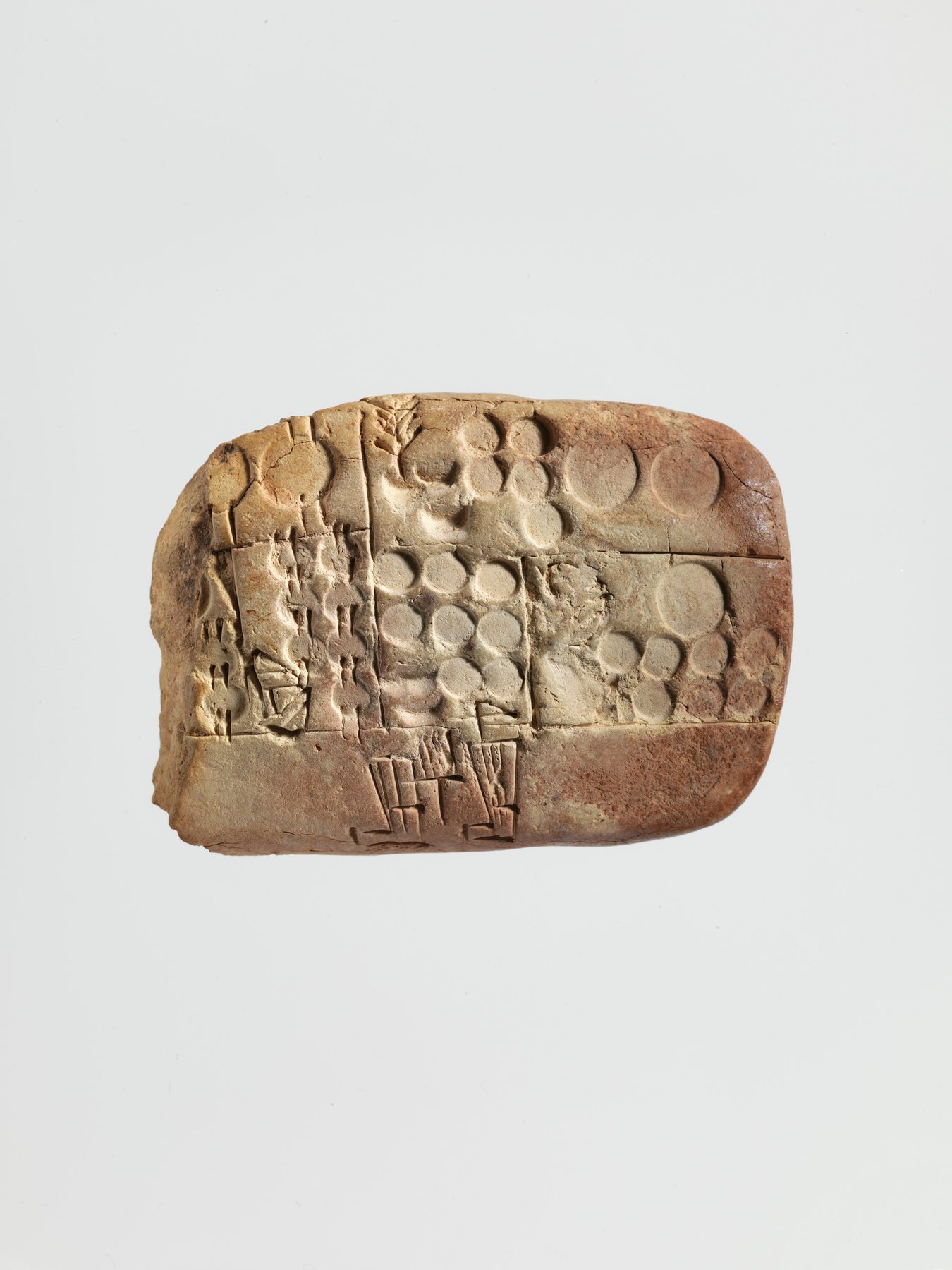
A list of barley and a kind of wheat called emmer. Lists, not a story. Each dent is a wedge. Turn the stick, press, lift.
Cuneiform is a way of writing, not one language. People used it for Sumerian, Akkadian, and more.
High on a cliff, the same story was cut three times.
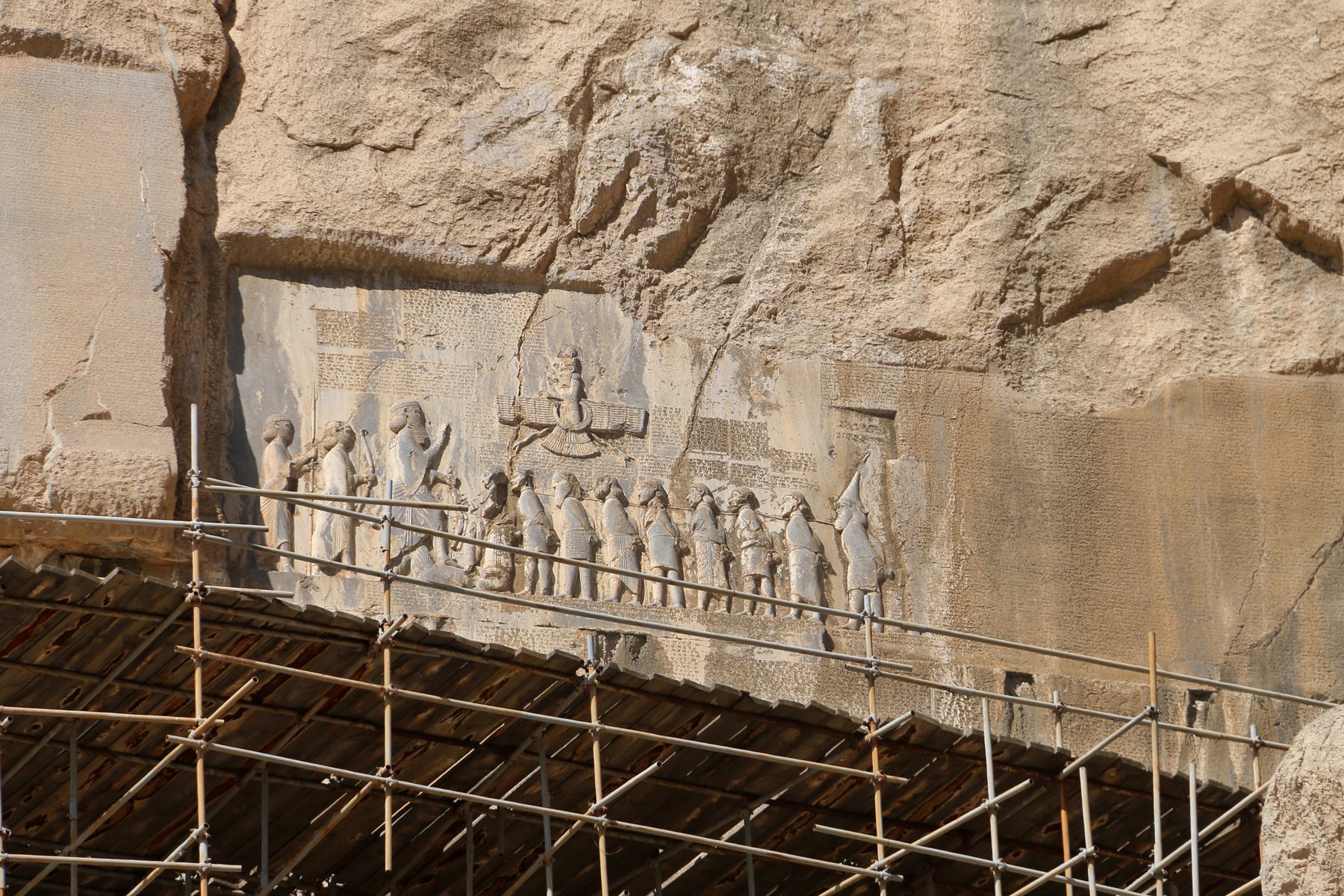
Why cut the same story three times?
Keep looking
High on a cliff, a king named Darius had the same story cut three times: Old Persian, Elamite, and Babylonian. That triple text helped later readers, including Henry Rawlinson, test what the wedges said.
This is written down. The same writing technique served many languages.

When you leave
Press a fingertip into damp sand or clay. Look at the mark after you lift your hand.
Try with a grown-up. Look at the same thing. Both press a fingertip into the same damp sand. Look at both marks.
If someone found your writing 1,000 years from now, how would they know what it meant?